Ask three shops in the GTA to ceramic coat the same car and you can get three very different prices. They are rarely quoting the same job. One is pricing a spray-on sealant and a quick wash, another a single layer over unpolished paint, and another a multi-layer professional coating over paint that has been decontaminated and corrected first. Here is what a proper job includes, the questions that separate them, and the red flags behind a quote that looks too good.
The short answer
- Most of the price is preparation. A coating locks in whatever is underneath it, so the paint has to be cleaned, decontaminated and corrected before it goes on.
- The best coatings are sold only to trained installers. Gtechniq says its Crystal Serum Ultra can only be applied by a Gtechniq Accredited Detailer, and IGL makes Kenzo available only to professional installers with Kenzo training certification.
- A real quote names the product, the prep, the cure time and the warranty. If any of those are missing, ask.
- Cheap quotes usually cut the prep, use a spray sealant sold as "ceramic", or come without a registered manufacturer warranty.
- Ask to see your paint under the lights before the work starts and again when you pick the car up.
What a proper ceramic coating job includes
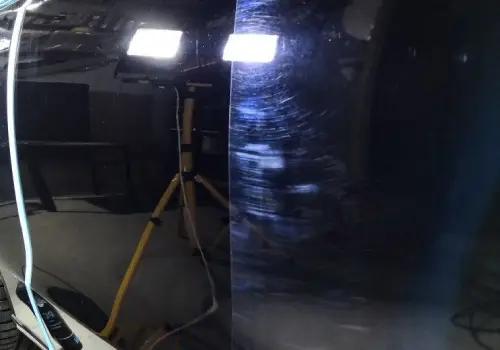
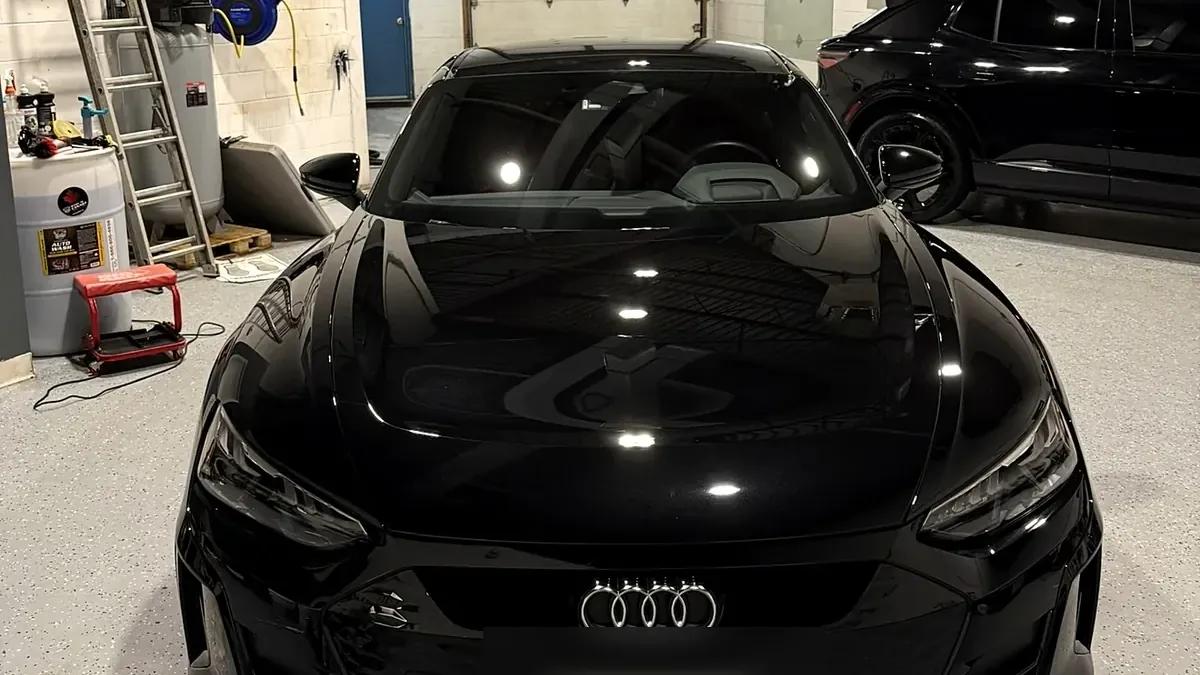
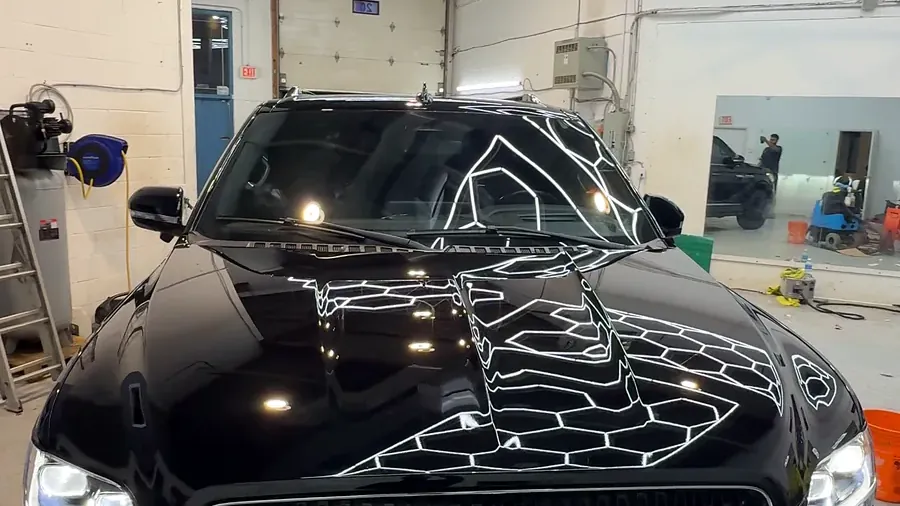
- Inspection under proper lighting. Swirls, scratches, water spots and old repairs only show up under strong, focused light. This is where the installer decides how much correction the paint needs, and where repainted panels get checked before any polishing.
- Wash and full decontamination. An iron remover for brake dust and a clay treatment for bonded contamination, so nothing gets sealed under the coating. Our clay bar guide explains this step.
- Paint correction where it is needed. Machine polishing to remove the swirls and light scratches the coating would otherwise lock in. Our paint correction guide covers one-stage and two-stage work.
- A panel wipe. Polishing leaves oils on the surface, and they have to come off so the coating bonds to bare clear coat.
- Application indoors, panel by panel, in a clean bay, with the number of layers the product calls for.
- Curing and a final check under the lights for high spots, the uneven patches left when excess coating is not levelled in time.
- Warranty registration and written aftercare, so you know what the warranty expects of you.
8 questions to ask before you pay
- Which coating, exactly? Ask for the brand and product name. A professional coating, a consumer coating and a ceramic spray sealant are three very different things.
- What prep is included in the price? Wash, decontamination and how much polishing. "Polish included" can mean anything from a quick one-step to a full correction.
- Will you show me the paint under the lights first? A good installer points out the defects, explains which ones can come out and which cannot, and checks any repainted panels.
- Are you certified by the coating brand? For professional-only coatings, the brand decides who can apply them, so ask which certification the shop holds.
- How long does it cure, and when can I wash it? Coatings are most vulnerable in the first days. With our coatings, that means no washing for the first week.
- What does the warranty cover, for how long, and who registers it? Ask what maintenance it requires as well, because many coating warranties assume regular hand washing or maintenance visits.
- Can you coat the wheels, glass and trim in the same visit? Coated wheels shed brake dust with a rinse and coated glass clears rain faster, so it is worth doing while the car is in.
- What happens if I spot a problem after pickup? A high spot or a missed area should be put right by the installer, not left to you.
Red flags behind a cheap quote
- A firm price before anyone has looked at the paint.
- A "ceramic coating" that goes on in an hour, which usually means a spray sealant.
- "Lifetime" or "permanent" claims with no product named and no warranty paperwork.
- No polishing on a car with visible swirls, so the coating locks them in under a high gloss.
- Coating applied outdoors or in a dusty bay, where dust lands in the coating as it cures.
- No mention of cure time or aftercare.
Why two quotes for the same car can be far apart
- Prep hours. A new car with clean paint might need a light polish. A five-year-old daily driver with years of swirls can need a full day or more of correction before it is ready to coat.
- The product and the package. Professional coatings come in packages measured in years, and the longer packages use more product and more layers. Ours come in 3, 6 and 10-year packages.
- Vehicle size and extras. A full-size SUV has far more paint than a compact, and wheels, glass and trim add time.
- Certification and warranty. A registered manufacturer warranty from a certified installer is part of what you are paying for.
A cheaper option can still be the right call, for example on a lease you are handing back in two years. Just know what you are buying. Our ceramic coating lifespan guide compares coatings, sealants and wax in Ontario conditions.
What a ceramic coating will not do
- It will not stop stone chips or key scratches. A coating is not thick enough to absorb impacts. That is the job of paint protection film, and the two work well together.
- It will not fix swirls underneath it. That is paint correction, and it has to happen first.
- It will not wash the car for you. It makes washing much quicker, but the car still needs gentle hand washes. Our coating aftercare guide covers the routine.
How we do it at Cosmo Car Customs
We are a Kenzo certified IGL installer and also apply System X, Gtechniq and Gyeon coatings, matching the product to your paint, how the car is used and how long you want the protection to last. Every package includes the paint prep, and we register the manufacturer warranty where the brand offers one. We inspect the paint with you first, explain what it needs and confirm the price before any work starts. See our ceramic coating packages or book a free inspection at our studio on Atlantic Drive in Mississauga.