"How long does it last?" is the first question we get about ceramic coating, and the honest answer is "it depends on what you compare it with and how the car is washed." Here are the numbers we quote in the studio, what they assume, and how wax and sealant stack up in the same conditions.
The short version
- Carnauba wax: 4 to 8 weeks in Ontario. Less once salt is on the roads.
- Synthetic paint sealant: 3 to 6 months. A good sealant applied in October is usually gone by spring.
- Consumer spray ceramic: 6 to 12 months. Easy to apply, thin, and it wears through fast under winter grit.
- Professional ceramic coating: 3, 6 or 10 years by package, with a registered manufacturer warranty, when it is installed over prepared paint and maintained by hand washing.
Why the numbers are so different
Wax sits on top of the paint. Sealant bonds lightly to it. A professional ceramic coating cross-links with the clear coat and cures into a hard, glass-like layer measured in microns. That thickness and hardness is why it survives things that strip wax in a fortnight: UV, acid rain, bird droppings, bug remains and, in this province, months of salt spray.
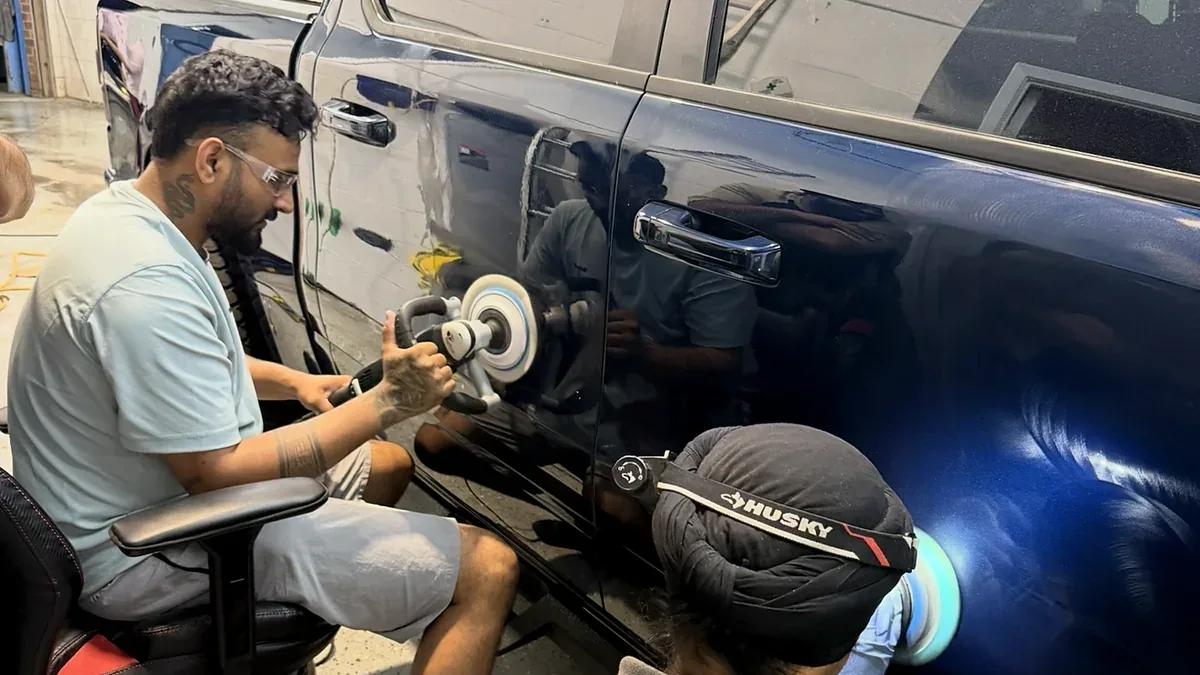
The trade-off is preparation. A coating locks in whatever is underneath it, so the paint has to be washed, decontaminated and, where needed, polished before a single drop goes on. That preparation is most of the labour and most of the cost, and it is also the reason a professional coating outlasts a spray product by years rather than months.
What "3, 6 and 10 years" actually means
Our packages are built around the coating chemistry and the number of layers. The 3-year package is a single professional layer that suits leased cars or anyone planning to sell within a few years. The 6-year package adds a denser base or a second layer. The 10-year package uses the hardest coatings we carry with a top coat for gloss and easy cleaning, and it is the one we recommend for a car you plan to keep.
Every package comes with a manufacturer warranty registered at install. The warranties are conditional, and we would rather tell you the conditions up front than have you find out later: hand washing with a pH-neutral shampoo, no automatic brush washes, and an annual inspection in the studio so we can check the surface and top it up if it needs it.
What shortens a coating's life in Ontario
- Automatic brush washes. Spinning brushes loaded with grit from the car before yours are the single biggest killer of coatings. Touchless washes are far kinder, but hand washing is best.
- Salt left to sit. Salt and brine are not an instant threat to a coating, but dried salt film left on the paint for weeks makes the surface stop beading and starts etching around edges and trim. A rinse every couple of weeks in winter keeps it performing.
- Skipping the cure. Coatings keep hardening for about a week after application. Washing, rain and bird droppings in that first week are the most damaging they will ever be.
- Harsh chemicals. Strong degreasers, traffic film removers and cleaner waxes eat the hydrophobic top layer. If a product says it strips wax, it is stripping your coating too.
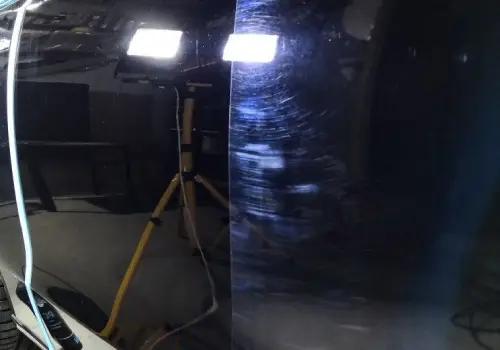
- Bad preparation. A coating applied over swirls, tar spots or bonded iron will still be a coating, but it will not bond evenly and it will fail early in patches. This is where cheap coating offers usually go wrong.
How to tell when a coating is worn
Water behaviour is the tell. A healthy coating makes water bead tightly and sheet off when you drive away. When the beads flatten and water starts clinging, the top layer is tired. Often that is contamination rather than failure, and a decontamination wash plus a booster brings it back. When the surface stays flat after a decon wash and the paint feels rough, the coating has worn through in that spot and needs re-coating.
We inspect coatings for free, whether we applied them or not, and tell you honestly which of those it is.
Is a coating worth it if you only keep the car three years?
Usually yes, for two reasons that are not about lifespan. First, washing takes half the time and the car stays cleaner between washes, which matters a great deal from November to April. Second, the paint underneath stays correct. A car that has been coated and hand washed for three years comes back with paint that still reads as new, and buyers and lease inspectors notice.
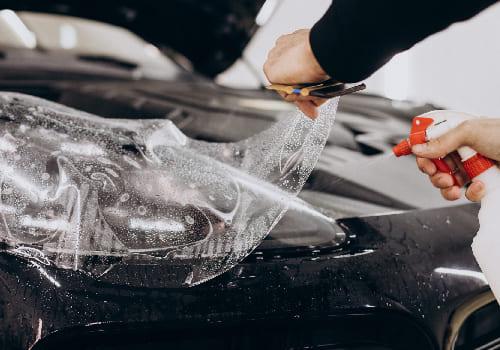
If you drive a lot of highway, remember that a coating is not impact protection. Stone chips need paint protection film. Many customers put film on the front end and coat everything, including the film. Our PPF vs ceramic coating guide covers the choice.
Which brands we install
Cosmo Car Customs is a Kenzo certified IGL installer and also applies System X, Gtechniq and Gyeon coatings. We match the product to the paint, how the car is used and how long you want the protection to last, rather than putting one product on everything.
Ready to see which package fits your car? Book a free paint inspection at our Mississauga studio and we will show you what your paint needs before quoting.
Sources
- Gyeon, Gtechniq and IGL Coatings manufacturer documentation for coating chemistry and warranty conditions
- Our ceramic coating aftercare guide for the wash routine the warranties assume