



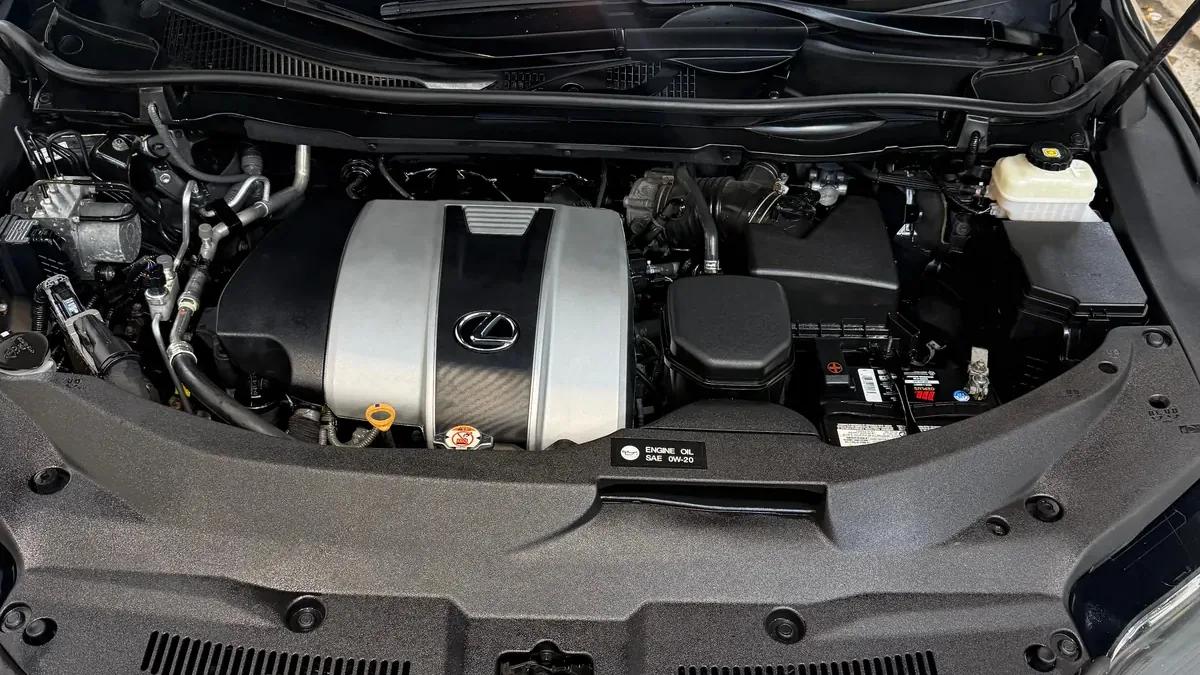
"Is it safe to wash my engine?" is one of the most common questions we get about the engine bay add-on at our Mississauga studio. The honest answer is yes, when it is done carefully, and no, if it means a pressure washer at the self-serve car wash. Here is what can go wrong, how a proper engine bay detail is done, and when it is actually worth it.
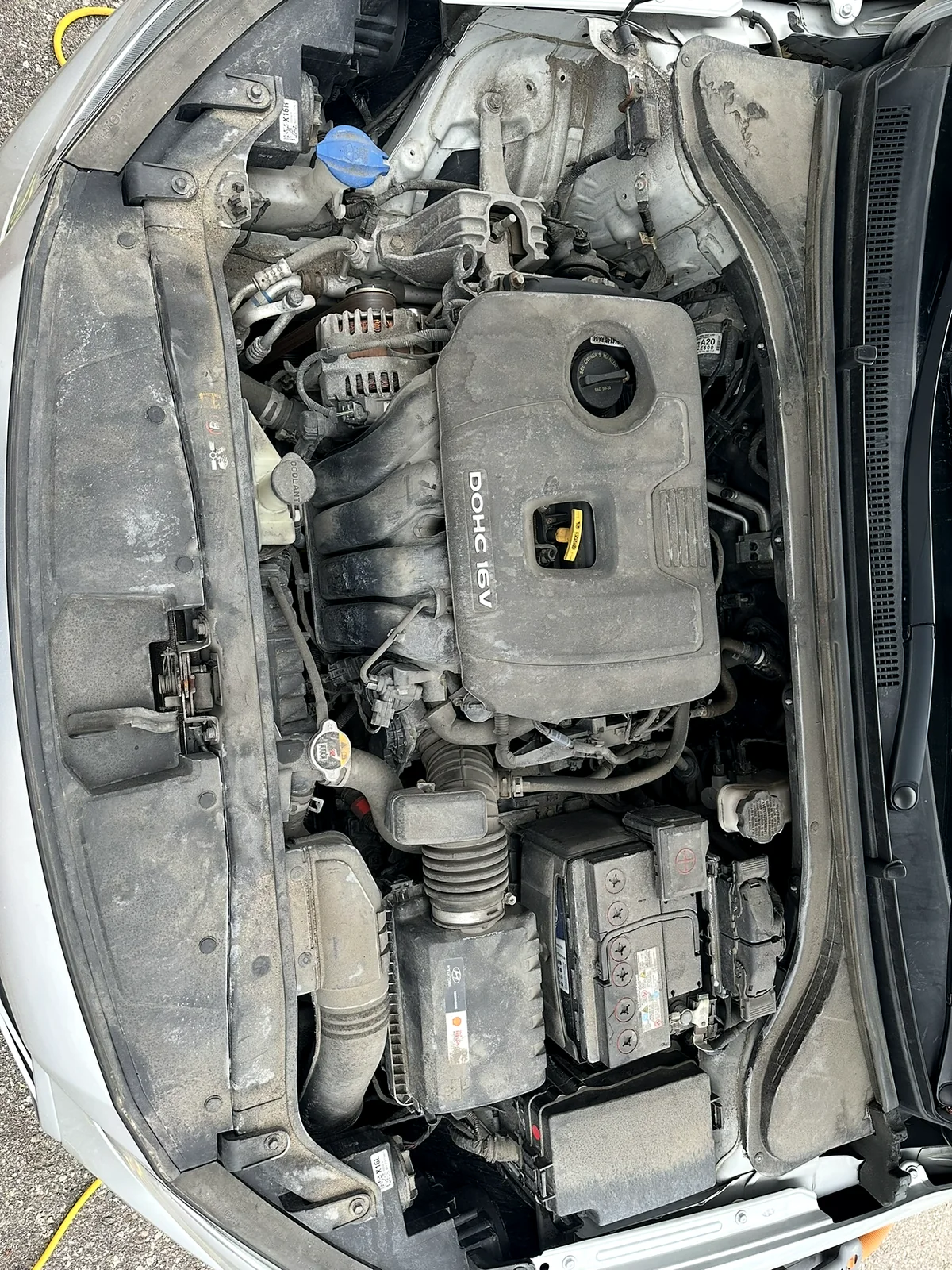
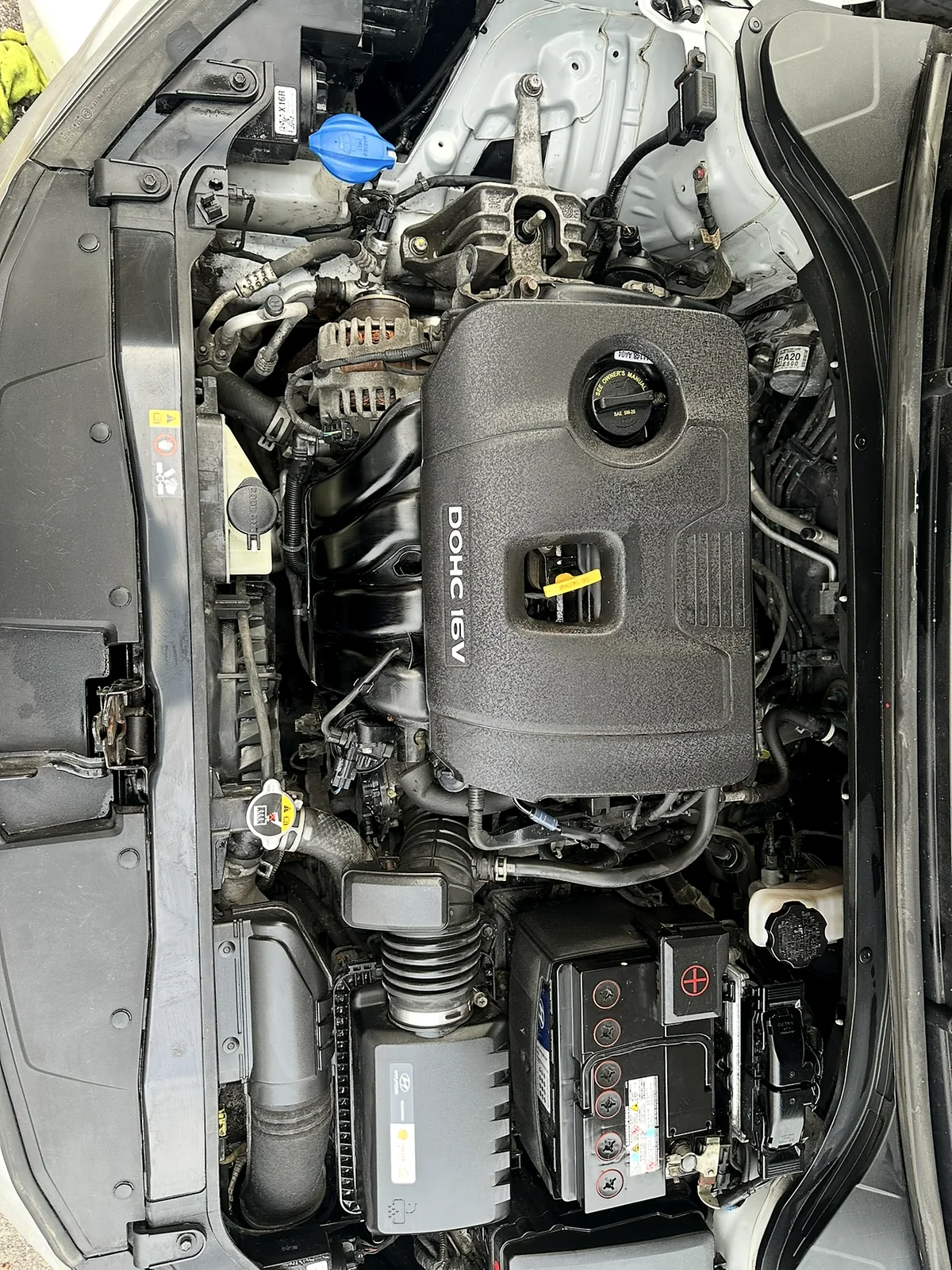
The short answer
- Is it safe? Yes, on a cool engine, with a water-based degreaser, low pressure or damp towels, the sensitive parts protected and everything dried afterwards.
- What goes wrong: high-pressure water on electrical parts, cold water on a hot engine, and solvent cleaners that leave a sticky film.
- Why do it: mostly looks, but a clean bay also makes a new oil or coolant leak easy to spot, and it makes a strong impression when you sell.
- How often: for most cars, once or twice a year is plenty, often in spring once the salt season is over.
Why clean an engine bay at all?
Be wary of anyone who tells you a clean engine runs better. When everything is working, an automotive instructor at the British Columbia Institute of Technology told The Globe and Mail, cleaning the engine is strictly cosmetic. There are still good reasons to do it:
- Leaks show up. Oil and coolant leaks attract dirt, so on a grimy engine a new leak hides in the mess. On a clean one, a fresh wet spot is obvious, and you catch it early.
- Selling or trading in. Buyers and appraisers open the hood. A clean, dry bay says the car has been looked after, and it lets an inspector see there is nothing to hide.
- After an Ontario winter. Road grime and salt spray get into the corners of the bay, around the hood edges and the front of the engine compartment, and a spring clean takes it out.
- It finishes a detail. A spotless exterior with a filthy engine bay under the hood never looks quite finished.
What can go wrong
An engine bay is built to shed some rain and road spray, not to take a direct blast from a pressure washer. The risks are real, but they are all about how it is done:
- Water in the wrong places. High-pressure water can push into electrical connectors, the alternator and engine sensors, which can cause corrosion or faults that show up days later.
- Dirt pushed onto belts. Spraying can drive grit into the belts and pulleys, which leads to squeaks.
- A hot engine. Cold water on a hot engine stresses the metal. The engine should always be cool to the touch first.
- Water in the air intake. In rare cases water that gets into the intake can reach the cylinders, which is why the intake is always protected.
- The wrong chemicals. Solvent-based cleaners leave a film that attracts more dirt, and greasy dressings on belts make them slip.
That is why a high-pressure wand should never be aimed into an engine bay, and why the coin-operated pressure washer is the worst place to try it yourself.
How a careful engine bay detail is done
- Start cool. The engine must be cool to the touch, never straight off the highway.
- Protect the sensitive parts. The alternator, fuse and relay box, air intake and any exposed electrical connections are covered or kept dry.
- Clear the debris. Leaves and dirt come out of the cowl area under the windshield, where they can block drains, and loose dust is blown or vacuumed out.
- Degrease by hand. A water-based degreaser goes on the dirty plastics, hoses and metal, and brushes work it into the grime.
- Rinse gently or wipe. A low-pressure rinse where it is safe, or damp microfibre towels around anything electrical. Never a high-pressure wand.
- Dry properly. Compressed air blows water out of connectors, recesses and bolt heads, then the engine is idled for a few minutes to drive off the rest.
- Dress, but not everything. A water-based, non-greasy dressing restores the black plastics and rubber hoses. Belts, pulleys and anything that gets hot stay bare.
Hybrids and electric cars
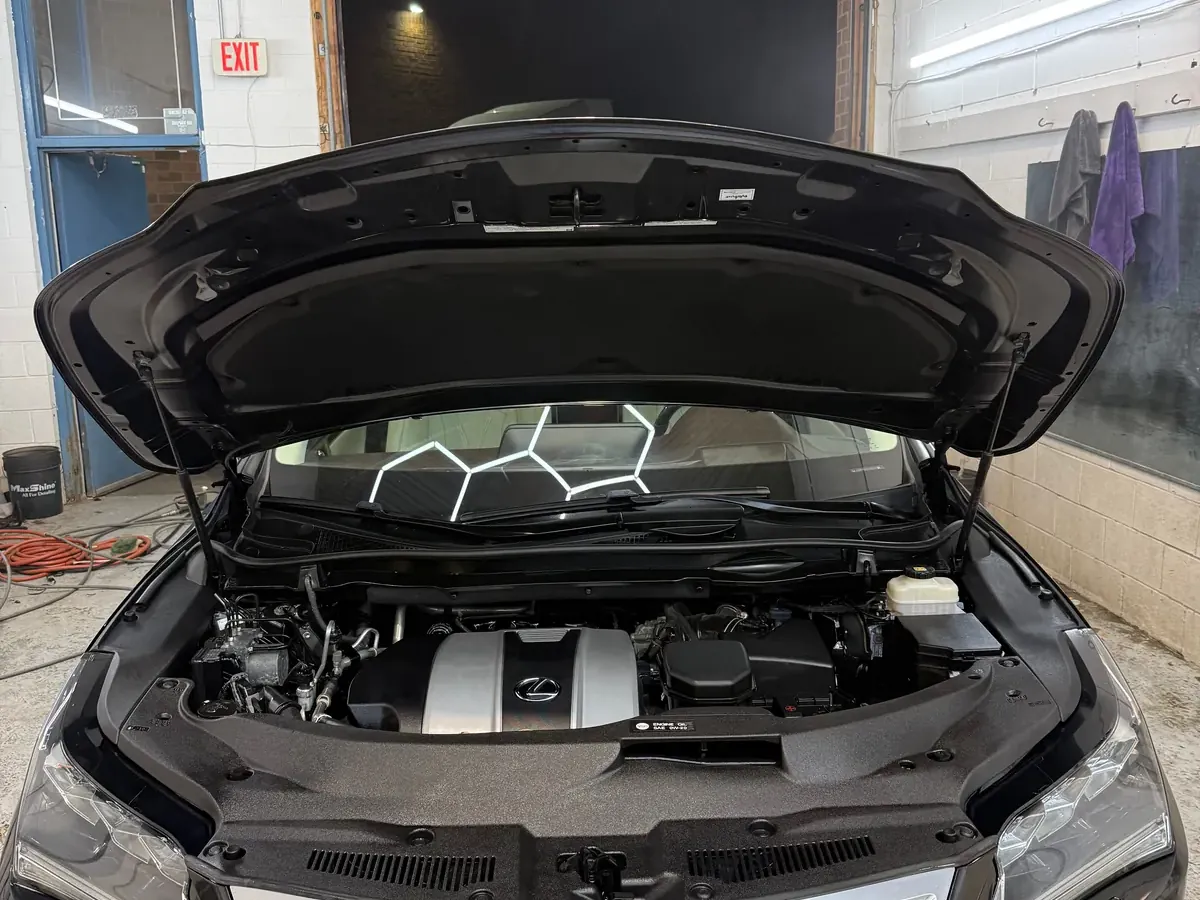
Hybrid and electric cars have bright orange cables under the hood, and orange means high voltage. Those, and the electronics around them, are wiped by hand and never sprayed. On these cars, and on any vehicle where the owner's manual warns against water in the engine compartment, the whole job is done with damp towels and brushes instead of a rinse.
Doing it yourself in the driveway
If you want to try it at home, follow the same rules: cool engine, cover the alternator and air intake, a water-based degreaser, a soft brush, damp towels instead of a hose where you can, and dry everything with a blower or compressed air. Skip the pressure washer completely.
Think about where the water goes, too. The City of Mississauga asks residents to wash vehicles at a car wash so the water ends up in the sanitary sewer for treatment, because driveway runoff goes into catchbasins and straight to local creeks and Lake Ontario. Its list of common stormwater pollutants includes car soaps, chemicals, and oils and lubricants, which is exactly what comes off a degreased engine.
How often should you clean an engine bay?
For most daily drivers, once or twice a year is plenty: once in spring to clear out the winter grime, and again before you sell. It fits naturally into the spring and fall details in our season-by-season detailing schedule, and our road salt checklist covers the rest of the car before winter.
What it costs
Engine bay detailing is an add-on to any of our detail packages, and it is included in the Premium package. Price depends on the size of the engine bay and how dirty it is, and every quote lists exactly what is included for your vehicle. See the detail packages and book at our studio on Atlantic Drive in Mississauga.
Sources
- The Globe and Mail, "Should I clean my car's engine?", with a BCIT automotive instructor on the risks and the safe way to do it
- City of Mississauga, stormwater pollution prevention
- Our guides to how often to detail your car and protecting your car from road salt