Most people assume ceramic coating is a spring job. The car is clean, the weather is warm, and the coating has the whole summer to settle. Then the first salt truck goes past in November and the question changes: is it too late, or can you still coat the car before the worst of the winter? The short version is that a coating does not care what month it is. It cares about the temperature of the car and the air around it while it goes on and sets. Here is what that means in a Mississauga winter, and how a winter coating is done properly.
The short answer
- Yes, you can coat a car in winter, as long as the work is done indoors.
- Coatings have a minimum temperature. IGL says not to apply its Kenzo coating below 5°C, and prefers 20 to 26°C.
- A Mississauga driveway is too cold. The average afternoon high at Toronto Pearson is below 2°C from December to February.
- The first hours matter most. A fresh coating has to stay dry while it sets, which is why we keep the car indoors.
- Winter is when coated paint earns its keep. Salt and slush rinse off a coated surface instead of sitting on bare clear coat.
Why temperature matters to a ceramic coating
A ceramic coating goes on as a thin liquid and hardens as it cures, bonding to the clear coat. Cold slows that process down, and a cold panel can also collect condensation that the coating should never see. That is why every professional coating comes with application conditions, not just instructions.
IGL's technical data sheet for Ecocoat Kenzo, the coating we are certified to install, is specific. It says not to apply the product below 5°C, gives a working range of 5 to 50°C with 20 to 26°C preferred, and asks for a surface that is not hot and out of direct sunlight. Gyeon's instructions for its EVO coatings ask for a surface that is cool, completely dry and free of dust. In other words, the car needs to be clean, dry and at a comfortable room temperature, not cold and not baking in the sun.
What a Mississauga winter means for coating a car
Environment and Climate Change Canada's climate normals for Toronto Pearson, the closest station to our studio, show how far below that line our winters sit. The average daily high is 7.9°C in November, 1.9°C in December, minus 1.2°C in January and minus 0.3°C in February. Even the warmest part of a typical winter day is below IGL's 5°C minimum from December to February, and a car parked outside overnight starts the day colder than the air.
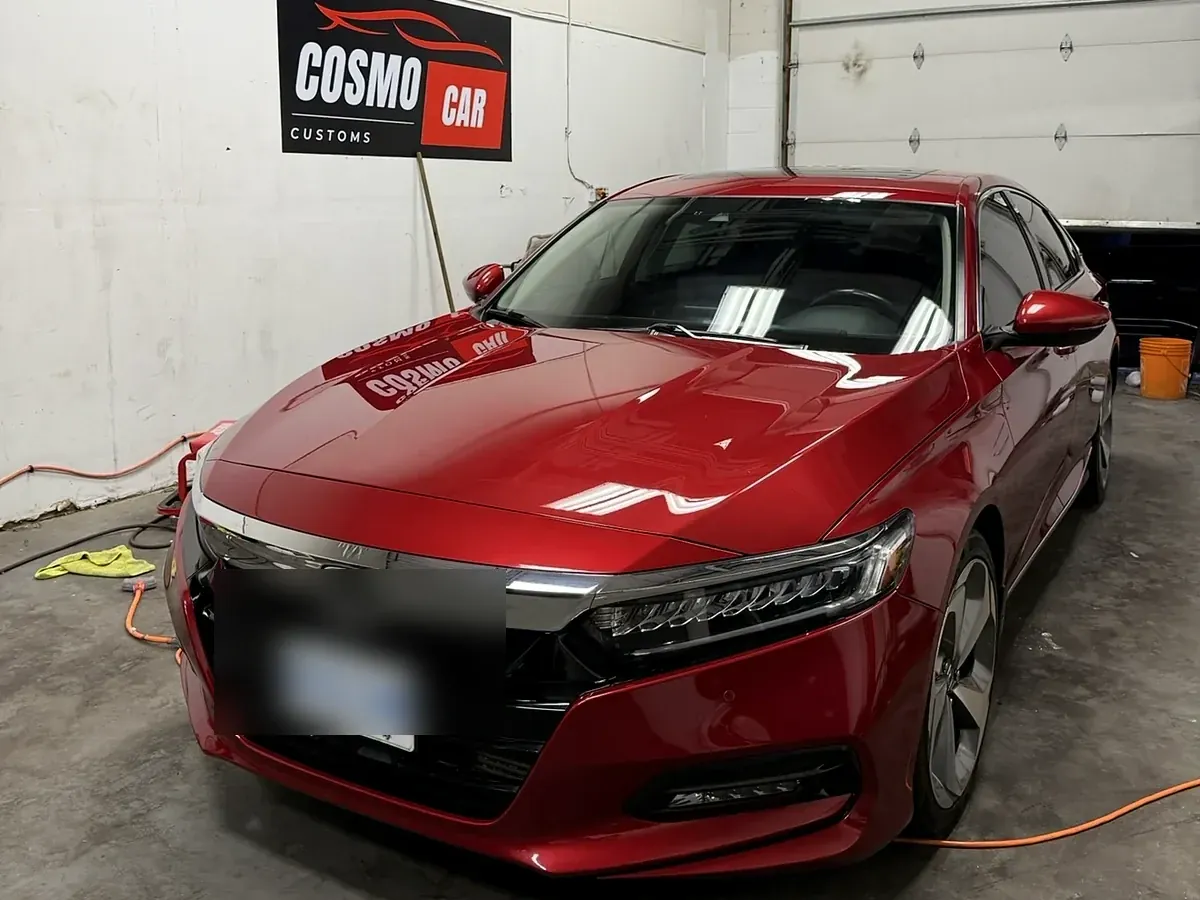
So coating a car on a driveway, or in an unheated garage, is off the table for most of the winter. The same coating applied indoors, on a car that has had time to warm up, goes on exactly as it would in June.
How a winter ceramic coating is done at our studio
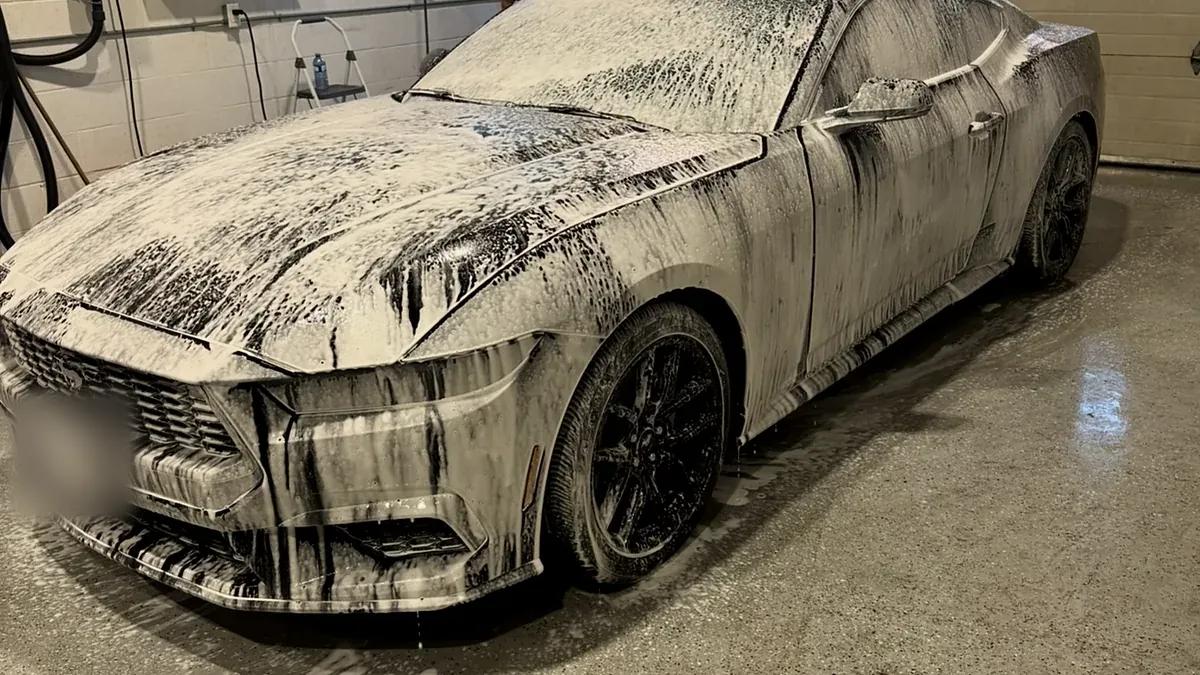
- A thorough wash and full decontamination. A winter car arrives carrying salt, brine and road grime in every gap. It gets a full wash and decontamination to lift bonded fallout and road film, so the surface is truly clean. IGL's data sheet stresses that how well the coating bonds depends on how clean the surface is.
- Polishing where the paint needs it. A coating locks in whatever is underneath it, so swirls and light scratches are polished out first. Our paint correction guide explains how.
- Time to warm up and dry out. A car that has just come in from a freezing street needs time indoors before the coating goes on, so the panels are dry and at room temperature, not cold to the touch.
- A panel wipe and the coating itself, applied indoors, one section at a time, and levelled before it sets.
- Setting time indoors. IGL says to air dry a fresh Kenzo coating for about four hours and keep it away from water. Gyeon says to keep its EVO coatings away from water and direct sun for the first 12 hours. This is why we ask to keep the car with us, usually overnight, rather than sending it straight back out into the slush.
Most coating jobs need the car for one to two days, depending on how much preparation and polishing the paint needs. We confirm the time when we inspect it.
Your first week after a winter coating
IGL says a Kenzo coating fully cures in three to five days. Our aftercare asks you not to wash the car for the first week. If the roads are salted in that time, a rinse with plain water is fine: IGL's data sheet allows washing with just water during the cure, but no shampoos, all-purpose cleaners or anything harsh. After that, wash by hand with a pH-neutral shampoo and stay out of automatic brush washes. Our ceramic coating aftercare guide covers the full routine.
- Do rinse off heavy salt with plain water if you need to in the first week.
- Do not use soap, cleaners or a brush wash until the coating has cured.
- Do use a foam snow brush and pull the snow towards you, so you are not dragging grit across the new coating.
- Do not use an ice scraper anywhere but the glass.
Is winter actually a good time to coat a car?
For a car that lives outside in Ontario, it can be the best time. Salt season is when unprotected paint has the hardest life: dried salt film sits on the clear coat for weeks between washes, and every wash with a gritty mitt adds swirls. A cured coating gives the salt and slush much less to grip, so a rinse takes most of it off. IGL lists a fully cured Kenzo coating as withstanding at least 500 hours of salt spray testing. Our road salt checklist explains what salt does to an unprotected car.
The trade-off is preparation. A salty winter car takes longer to wash and decontaminate than a clean summer one, and you still need to rinse it regularly. A coating makes those washes quicker and gentler; it does not make them unnecessary. If you are not ready to commit to a coating this winter, a sealant or wax is a short-term option, and our pre-winter wax guide compares them.
Ceramic coating at Cosmo Car Customs
We are a Kenzo certified IGL installer and also work with System X, Gtechniq and Gyeon coatings. Every coating is applied indoors at our studio on Atlantic Drive in Mississauga, after a full decontamination and the paint correction your car needs, and the car stays with us while the coating sets. Multi-year packages are available, and the price depends on the vehicle and the condition of the paint, so we inspect it and confirm the cost before any work starts. Our guide to how long ceramic coating lasts in Ontario explains the options. See our ceramic coating service or get a quote.