Selling the car, trading it in at the dealer and handing back a lease all end the same way: someone looks the car over and puts a number on it. A detail is the cheapest way to make that first look count. It will not hide real damage, and the biggest package is not always worth booking, so here is when a detail pays, what to book and what it cannot fix.
The short answer
- Selling privately: detail it before you take the photos. This is where a detail pays off most.
- Trading in at a dealer: a clean car appraises better, but the dealer reconditions it anyway, so a Basic or Advanced detail is usually enough.
- Returning a lease: get out the stains, salt and smells that a deep clean can remove before the inspection, because lessors charge for wear beyond set limits.
- What a detail cannot fix: dents, cracked glass, burns, tears or anything mechanical.
Selling privately: detail it before the photos
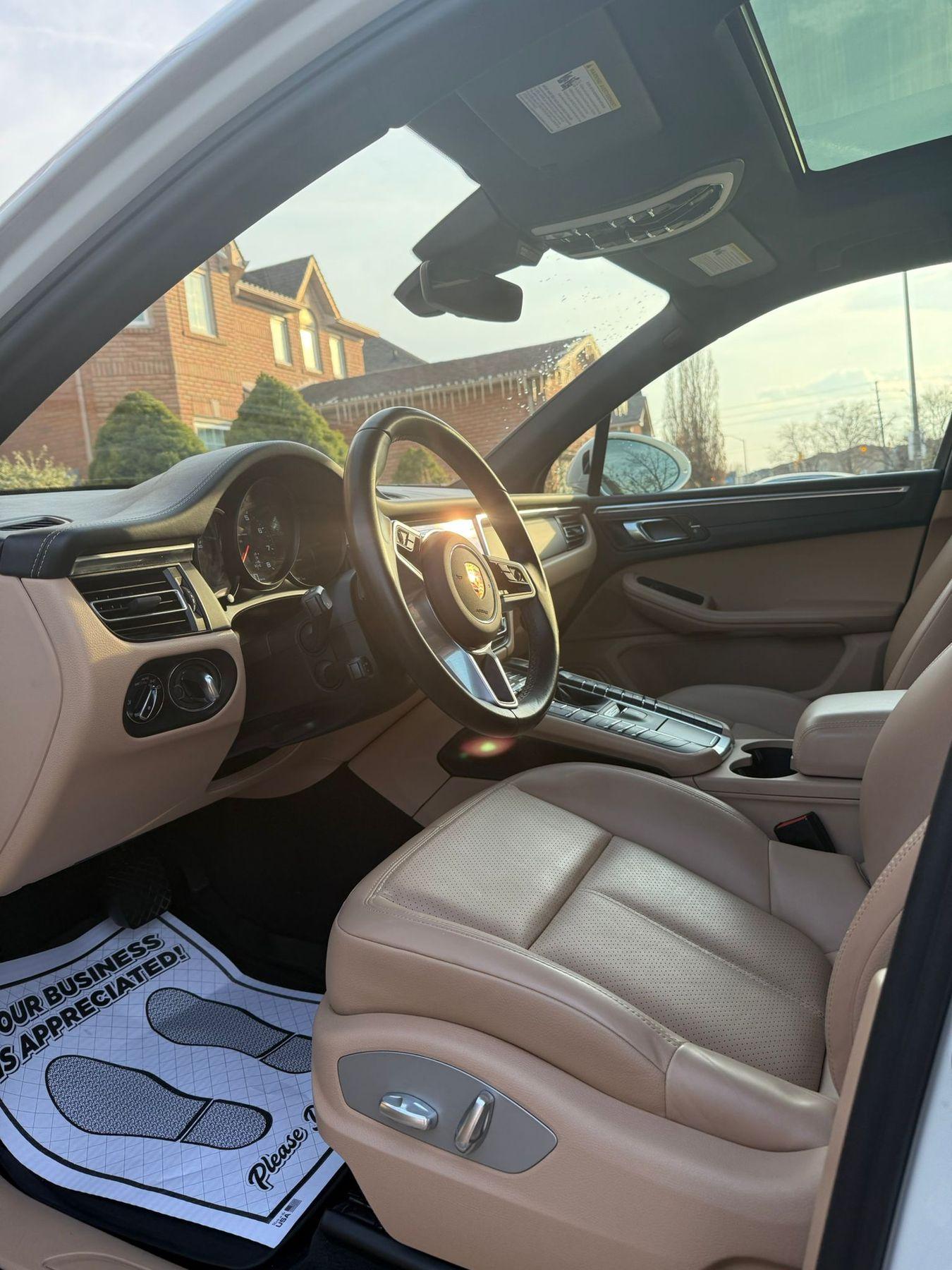
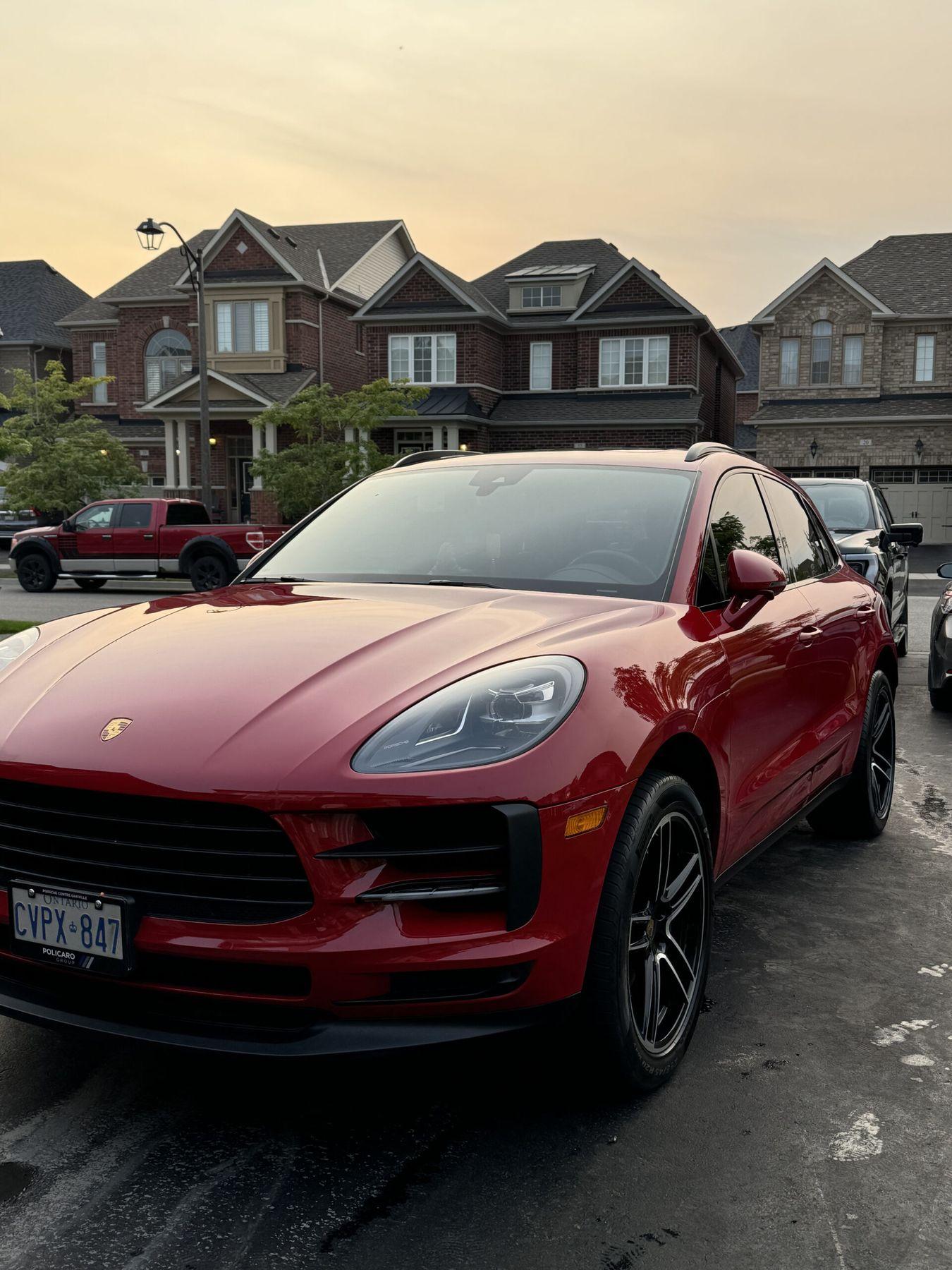
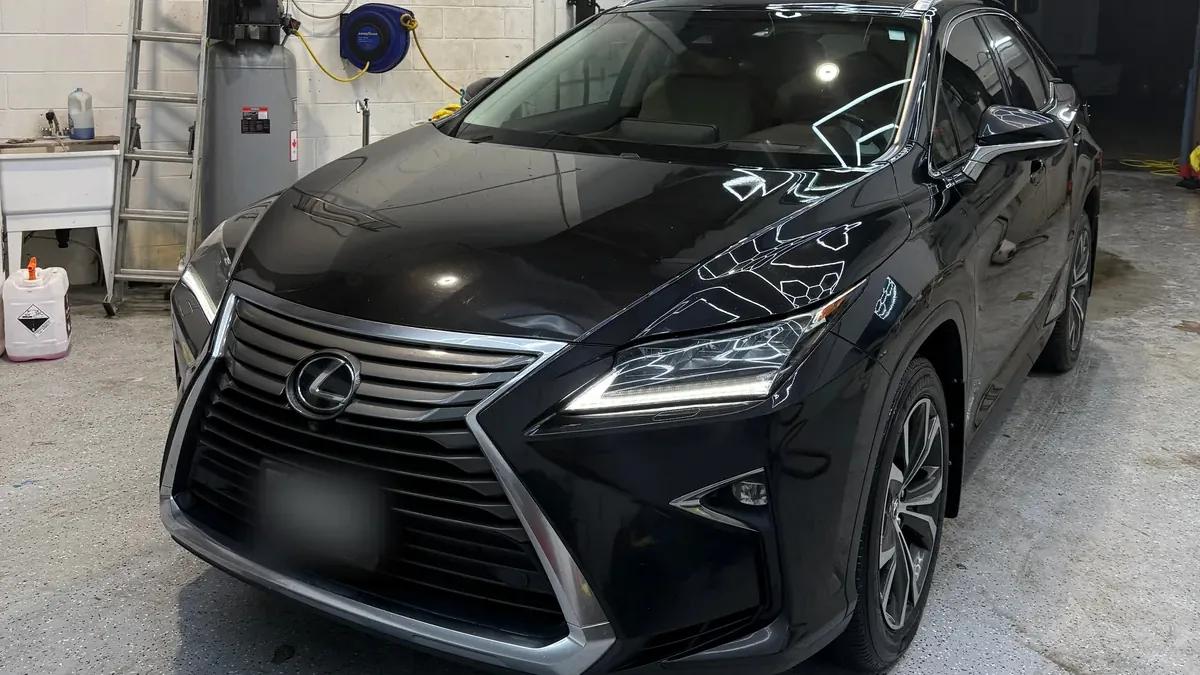
In a private sale the buyer judges the car from your photos first, then in person. Dirty carpets, crumbs in the seat rails, a hazy windshield and a dusty dash make a car look tired and invite a lower offer, even when the car itself is sound. A clean car photographs better and tells a buyer it has been looked after.
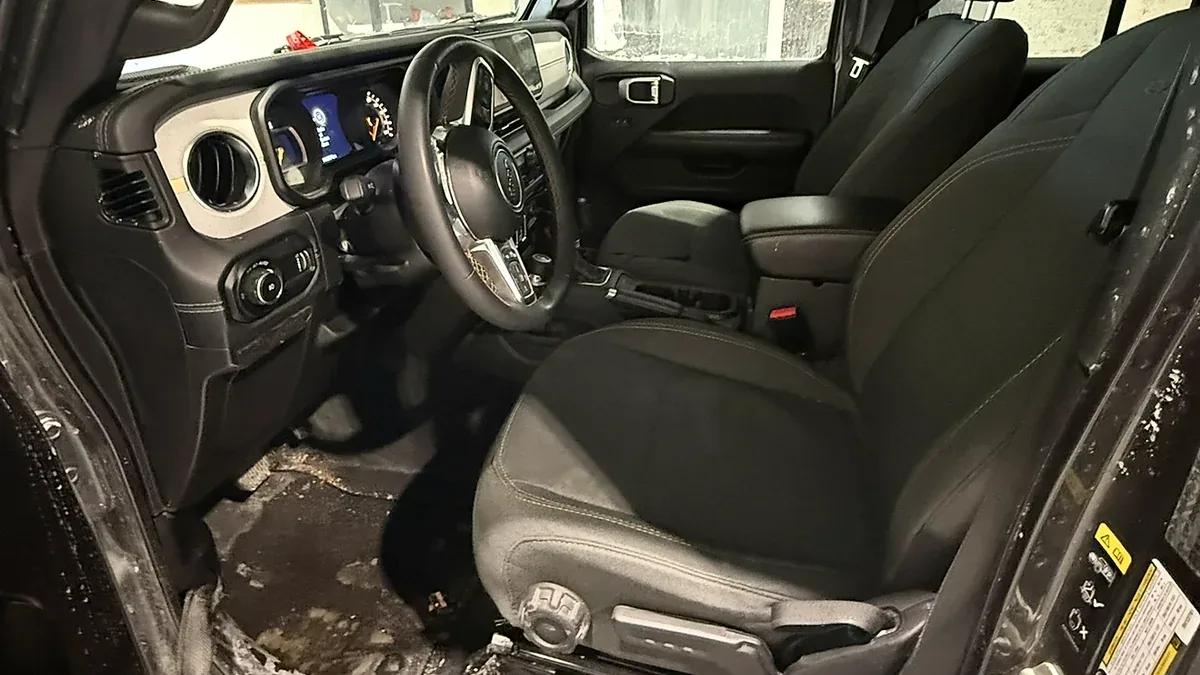
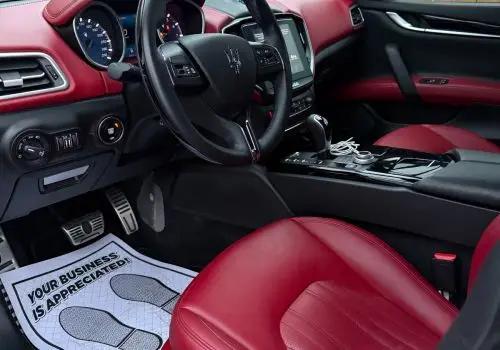
For a private sale we usually suggest the Advanced or Premium package. Advanced deep cleans the inside: the headliner and vents are steam cleaned, leather is shampooed and conditioned, and fabric seats and carpets are steamed, shampooed and hot water extracted. Premium adds wax applied by hand and an engine bay detail, which matters because buyers open the hood. Our engine bay guide explains how that is done safely.
Add-ons that make a visible difference on a car that is for sale:
- Headlight restoration for yellow, cloudy lenses, which make even a well-kept car look older. See our headlight restoration guide.
- Odour removal if the car has been smoked in or has carried pets. A buyer notices the smell the moment they open the door. Our odour removal guide covers what works.
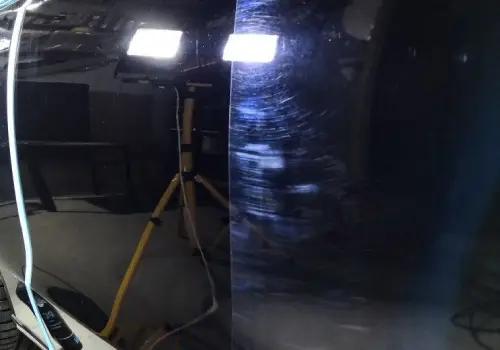
- Paint correction for swirl marks and light scratches. Many marks in the clear coat polish out, but deep ones that catch a fingernail do not. Our scratches guide explains the difference.
Book the detail a few days before you list the car, then take the photos straight after, in daylight, while it is at its cleanest.
Ontario paperwork for a private sale
The detail is the easy part. Ontario's guidance says that before you sell, you need to buy a Used Vehicle Information Package (UVIP), check that the Vehicle Identification Number on the car matches your ownership permit and make sure there is no money owing on the car. As the seller you are legally required under the Highway Traffic Act to give the buyer the UVIP. You also hand over a signed bill of sale, the completed transfer application on the back of the vehicle portion of your ownership, and a safety standards certificate if one is required. You keep your licence plates and the plate portion of your permit.
Trading in at a dealer: clean, not perfect
Kelley Blue Book's trade-in advice is simple: the car should look its best, and a cleaned and detailed car is worth more at trade-in than a worn and poorly maintained one. It adds that fixing minor issues and cleaning the car before the dealer's appraisal can net hundreds more on the trade-in.
Keep the spend in proportion, though. The dealer will recondition the car before reselling it whatever you do. A Basic detail, or Advanced if the interior is stained or smells, gets the car looking cared for at the appraisal. We would not book a ceramic coating or a full paint correction just to trade a car in. Empty out your personal things and bring your service records along too.
Returning a lease: what the inspection looks for
A lease return is where a detail can save the most money, because the lessor charges for anything beyond normal wear and tear. The limits are in your lease agreement and your carmaker's wear guide, and they are more specific than most people expect. Here are a few lines from Ford Credit Canada's wear and tear chart:
- Interior permanent stains: one per panel up to 12.7 mm (1/2") is normal wear. Two per panel, or any stain bigger than that, is excess.
- Interior burn holes: up to two per panel up to 3.2 mm (1/8") are normal. Three or more per panel, or any bigger, are excess.
- Light lenses: scratches and scuffs are normal. Cracked or broken lenses are excess.
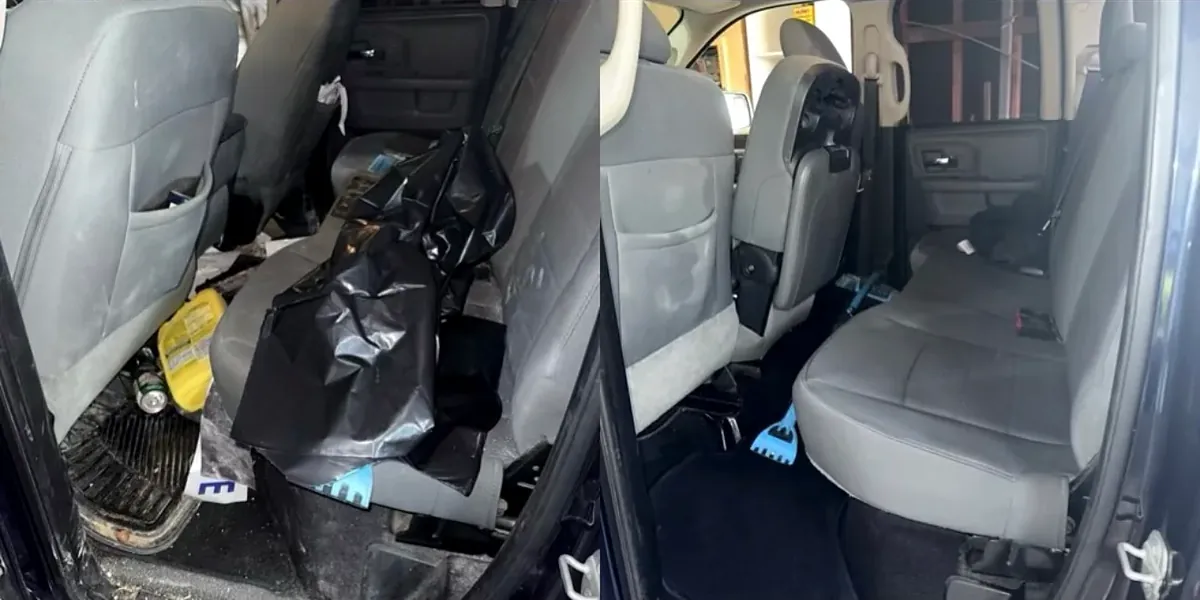
The word that matters is permanent. A coffee spill, winter salt marks or a juice stain that comes out with a proper shampoo and hot water extraction is no longer a stain at the inspection. The Automobile Protection Association (APA) says most seat and carpet stains can be removed by a professional, and warns that a lessor will often charge to replace a whole seat cover or trim panel rather than repair it. The APA also reports that lease return bills of $800 to $1,500 are fairly common, including one lessee who was charged $100 to remove a residential parking sticker from the rear window.
How to get ready, based on the APA's advice and the lessors' own guides:
- Two or three months before the lease ends, walk around the car and note anything that could be charged.
- Book the detail before the pre-inspection, not after it, so the car is seen at its cleanest. Many lessors offer a pre-inspection. Mercedes-Benz Financial Services, for example, contacts you to schedule one at your home, your workplace or the dealer.
- Peel off parking permits and stickers and clean the adhesive off the glass.
- Find both keys. The APA notes that lessors expect two keys back, and that an electronic key with remote locking can cost $150 to $550 to replace.
- Take detailed photos of the inside and outside when you hand the car back, including any existing damage, in case a claim arrives weeks later.
A detail will not fix dents, cracked or chipped glass, the wrong tires, or burns and tears in the upholstery. Those need a repair shop, or a call to your insurer, before the inspection. Ford Credit notes that some damage that would otherwise count as excess wear may be covered by your vehicle insurance.
What a detail can and cannot fix
A detail can remove dirt, road salt and most fabric and carpet stains, lift pet hair, clean the headliner, vents and seat rails, clean and condition leather, and clean the engine bay. With add-ons it can also freshen a smoky or musty interior, clear yellowed headlights and, with paint correction, polish out swirl marks and light scratches.
A detail cannot fix dents, scratches that have gone through the clear coat, cracked glass, burns or tears in the upholstery, or anything mechanical. Be upfront about those with a buyer or the lessor.
Which package to book
- Trade-in, tidy car: Basic.
- Trade-in or lease return with stains, salt or a smell: Advanced, plus odour removal if needed.
- Private sale: Premium, plus headlight restoration if the lenses are yellow.
See exactly what each package includes on our car detailing page. The price depends on the vehicle's size and condition, and we confirm it before we start.
Book a detail before you sell or hand it back
Bring the car to our studio on Atlantic Drive in Mississauga and tell us whether it is going to a buyer, a dealer or a lease inspection, and when. We will point out the stains and marks we can deal with and be honest about the ones we cannot. Get a quote.
Sources
- Government of Ontario, Buy or sell a used vehicle in Ontario
- Kelley Blue Book, Car trade-in tips: how can I maximize my car's value?
- Ford Credit Canada, Wear and tear at lease end
- Automobile Protection Association, Returning your leased vehicle
- Mercedes-Benz Canada, Vehicle condition guidelines
- Our guides to engine bay cleaning, headlight restoration, car odour removal and buffing out scratches