Every fall it happens again: the clocks go back, the drive home is suddenly in the dark, and a lot of drivers notice their headlights do not light up the road the way they used to. On most cars more than a few years old, the problem is the lens, not the bulb. Here is why headlights go cloudy, how much light you are losing, what restoration can and cannot fix, and when replacing the headlight is the better call.
The short answer
- Why they go cloudy: the lens is polycarbonate plastic with a thin UV coating from the factory. Sun and road grit wear that coating away, and the exposed plastic oxidizes and turns hazy and yellow.
- How much light you lose: in AAA testing, cloudy headlights produced only about 20 percent of the light of new ones.
- Does restoration work? Yes. AAA found professional and DIY restoration brought light output back to roughly 70 percent.
- How long it lasts: it depends on the UV protection that goes on afterwards. Without it, the haze comes back quickly.
- When to replace instead: cracks, chips through the lens, or moisture and haze on the inside of the headlight.
Why headlights turn cloudy and yellow
Almost every car on the road today has polycarbonate headlight lenses. The plastic is light, tough and easy to shape, but it breaks down under ultraviolet light. To protect it, manufacturers apply a thin, hard UV-blocking coating at the factory.
That coating is the only real protection the lens has, and it does not last forever. Years of sun, sand and salt thrown up from the road, brush car washes and harsh cleaners slowly wear it away. Once the bare plastic is exposed, UV light starts to break it down. The surface goes rough and hazy first, then yellow, and it gets worse faster once it starts.
Haze can also form on the inside of the lens, usually because moisture has got into the housing through a failed seal. Restoration only works on the outside surface, so haze or condensation on the inside is a sign the headlight needs repair or replacement.
How much light are you losing?
More than most people think. In December 2018, AAA published tests on the headlights of two popular sedans about 11 years old. The cloudy, yellowed lenses produced only about 20 percent of the light that new headlights do, and just 22 percent on low beam. AAA also found that headlights can start to show signs of deterioration as early as three to five years old.
AAA's advice is simple: check your headlights for yellowing or clouding, and if the bulb is difficult to see through the lens, have them restored or replaced as soon as possible.
In Ontario this matters for more than looks. The Highway Traffic Act requires lit headlamps from half an hour before sunset to half an hour after sunrise, and any time people and vehicles are not clearly visible at 150 metres. It also says front lamps must light the road well enough to make any person or vehicle clearly visible 110 metres ahead. In December the sun sets before 5 p.m. in Mississauga, so most commutes happen with the headlights on.
How headlight restoration works
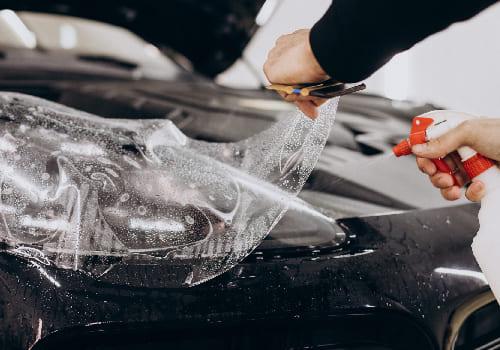
A real restoration removes the damaged plastic rather than covering it up. It follows the same steps every time:
- Inspect the lens. Check whether the haze is on the outside or the inside, and look for cracks, chips and moisture. Only damage on the outside can be restored.
- Mask the paint and trim. Tape protects the bumper, hood and grille from sanding and polishing.
- Wet sand the oxidized layer. Sanding with progressively finer grits takes off the yellowed, failed surface until the plastic underneath is even.
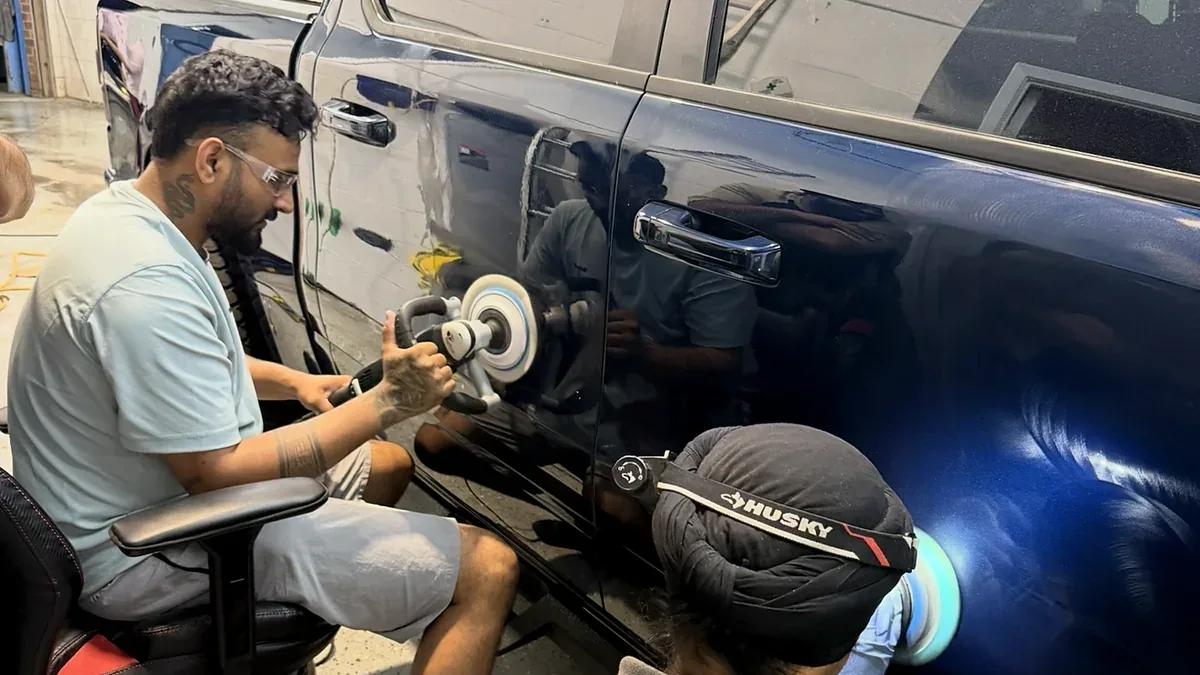
- Polish to clarity. A machine polish removes the fine sanding marks and brings the lens back to clear.
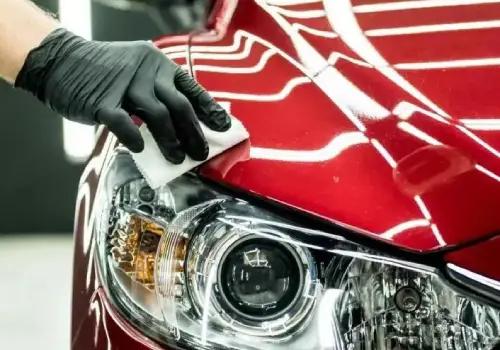
- Seal against UV. The factory coating is gone after sanding, so a UV-protective sealant or coating goes on to slow the yellowing down.
- Check the result. The lens is wiped down and checked in good light, with the headlights on.
The last two steps are the ones quick fixes skip, and they decide how long the result lasts.
DIY kits and household tricks
Store-bought restoration kits use the same idea: sand, polish, seal. Consumer Reports found that all the kits it tested worked to some degree, and that restoration can make a big difference, particularly if you do not rush the job. Household tricks such as toothpaste are a different story. A mild abrasive can take a little haze off, but it leaves the plastic with no UV protection, so the yellowing comes back fast.
If you try a kit at home, mask the paint well, take your time on each sanding step, keep the lens wet while you sand, and do not skip the UV sealant at the end.
How long does headlight restoration last?
Restoration is not permanent. When Consumer Reports went back to its tested lenses a year later, many had begun to haze over again, and a body shop it spoke to said refinishing lenses every year is common for some customers. How long yours lasts depends on the UV protection applied afterwards and on how much sun and road grit the car sees.
A few habits help it last longer:
- Park in a garage or in the shade when you can.
- Wash the lenses with car shampoo and a soft mitt, never a dry cloth or household cleaners.
- Keep the lenses clean through winter so road salt film does not sit on them.
- Have the UV protection topped up when the lens starts to dull, before it turns yellow again.
Restore or replace?
Restoration is the right call when the haze and yellowing are on the outside of the lens and the plastic is otherwise sound. It is the most cost-effective option, and AAA found it brought light output back to about 70 percent.
Replacement is the better choice when:
- the lens is cracked or chipped through,
- there is moisture, condensation or haze on the inside of the headlight,
- the reflector or projector inside is damaged or discoloured, or
- the lens is still dim or hazy after a proper restoration.
AAA's tests also found that original equipment headlights brought light output back to 100 percent, while aftermarket assemblies reached 83 to 90 percent, and some failed light-intensity requirements and produced more glare. Restored lenses also produced more glare than the U.S. federal standard allows. That is why AAA recommends replacement where possible, with restoration as the minimum. If you do replace, original equipment parts are the safest choice.
When to do it
Fall is the best time. The clocks go back on Sunday, November 1, the evenings get dark early, and once salt season starts the lenses take a beating from road grit. Restoring headlights fits naturally into a fall detail, and our season-by-season detailing schedule and road salt checklist cover the rest of the car before winter.
What it costs
Headlight restoration is an add-on to any of our detail packages. The price depends on the size of the lenses and how badly they are oxidized, and we look at them first to tell you whether restoring will do the job or whether the headlight needs replacing. See the detail packages and add-ons at our studio on Atlantic Drive in Mississauga.