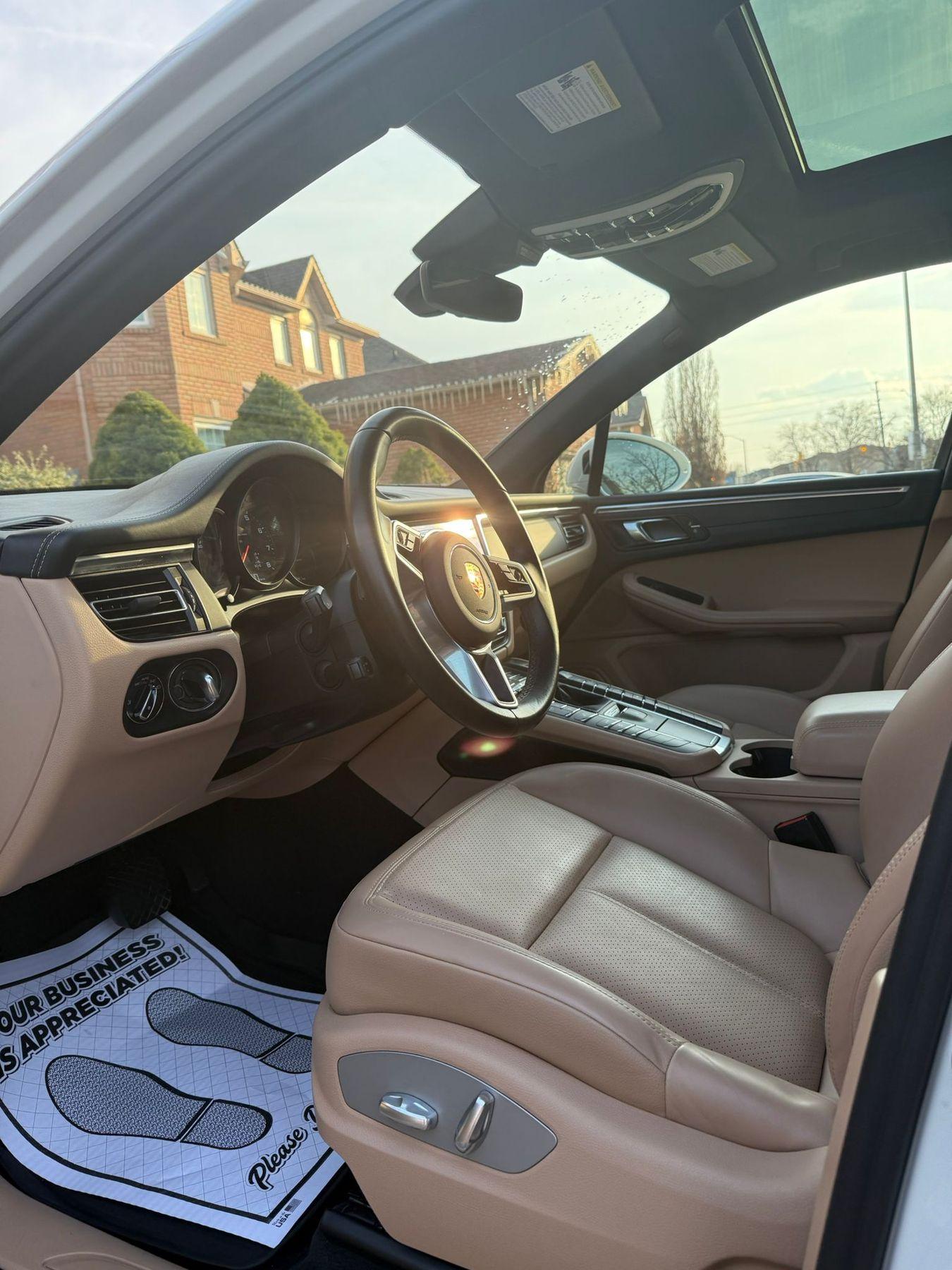
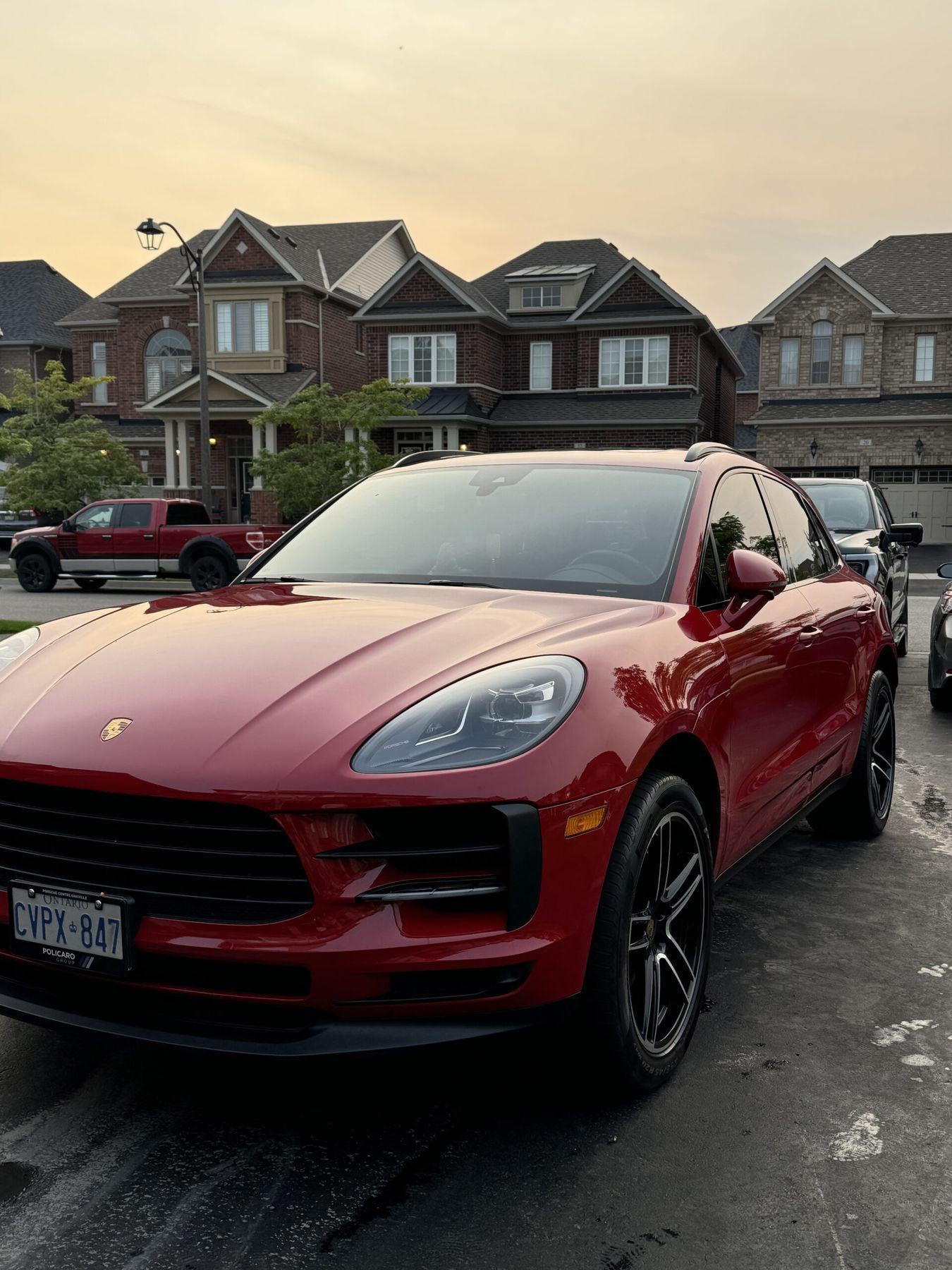
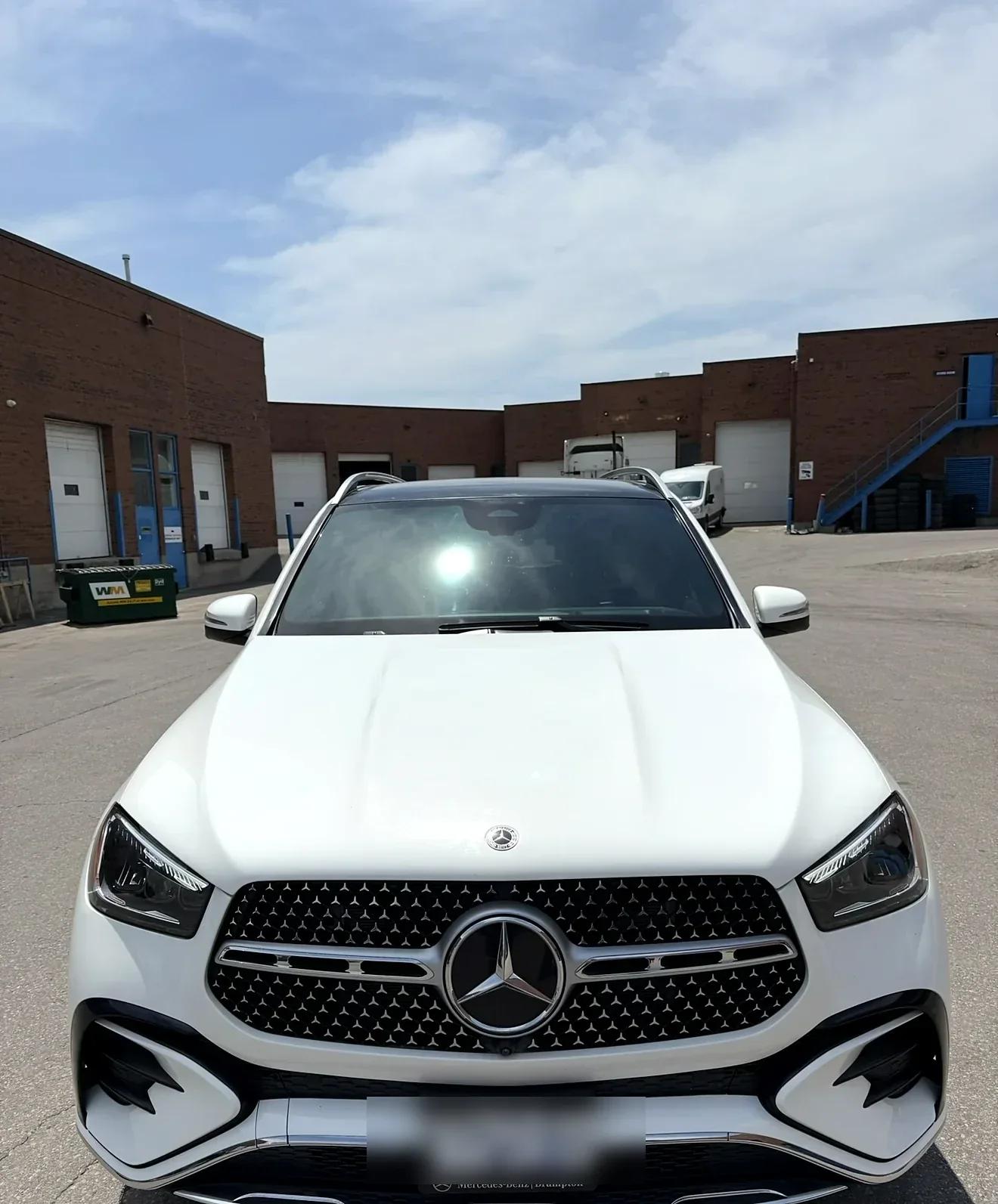
You have probably seen it in a parking lot: a windshield that looks blue from one angle and purple from another, on a car whose driver can clearly see out. That is chameleon film, and it is the most asked-about product on our window tinting page. Here is what it does, what it costs, and the legal check that has to happen first.
What chameleon film is
Chameleon film is a multi-layer nano-ceramic film with a light 80% VLT, which means it lets 80% of visible light through. From the driver's seat it is nearly clear. From outside, in direct sun, the layers reflect a shifting blue to purple tint. The colour is a side effect of the construction, not a dye, so it does not fade the way coloured films do.
The film we install is made by Audific. On the spec sheet it blocks 98% of infrared energy, which is the part of sunlight you feel as heat, and 99.8% of UV.
Why put film on the windshield at all
The windshield is the largest piece of glass on the car and it faces the sun for most of the day. Tinting the side and rear windows helps, but a lot of the heat that builds up in a parked car comes straight through the front. An 80% film cuts that heat without changing how the road looks at night, which is why we offer it as an add-on to any of our tint packages rather than as a darker tint.
What it costs
The Audific chameleon windshield film starts at $150 on its own or added to a Nano-Ceramic, Solar Gard or SunTek Evolve package. It carries the same lifetime warranty against colour fading and peeling as our other films. Full pricing is in our tint price guide.
The Ontario rule you need to know
This is the part we check before every windshield booking. Ontario's Highway Traffic Act does not permit aftermarket window film on the windshield of vehicles manufactured on or after January 1, 2017, apart from a strip above the AS-1 line at the top of the glass. On vehicles made before 2017 the film must not substantially obscure the interior of the vehicle, which a light 80% film generally does not.
In practice that means we can install a full chameleon windshield on older vehicles and an AS-1 strip on newer ones. Rules are enforced at the roadside and can change, so we advise on current guidance but cannot promise a specific setup will never be questioned. If your vehicle is on the line, tell us the year when you ask for a quote and we will confirm before you book.
What it looks like installed
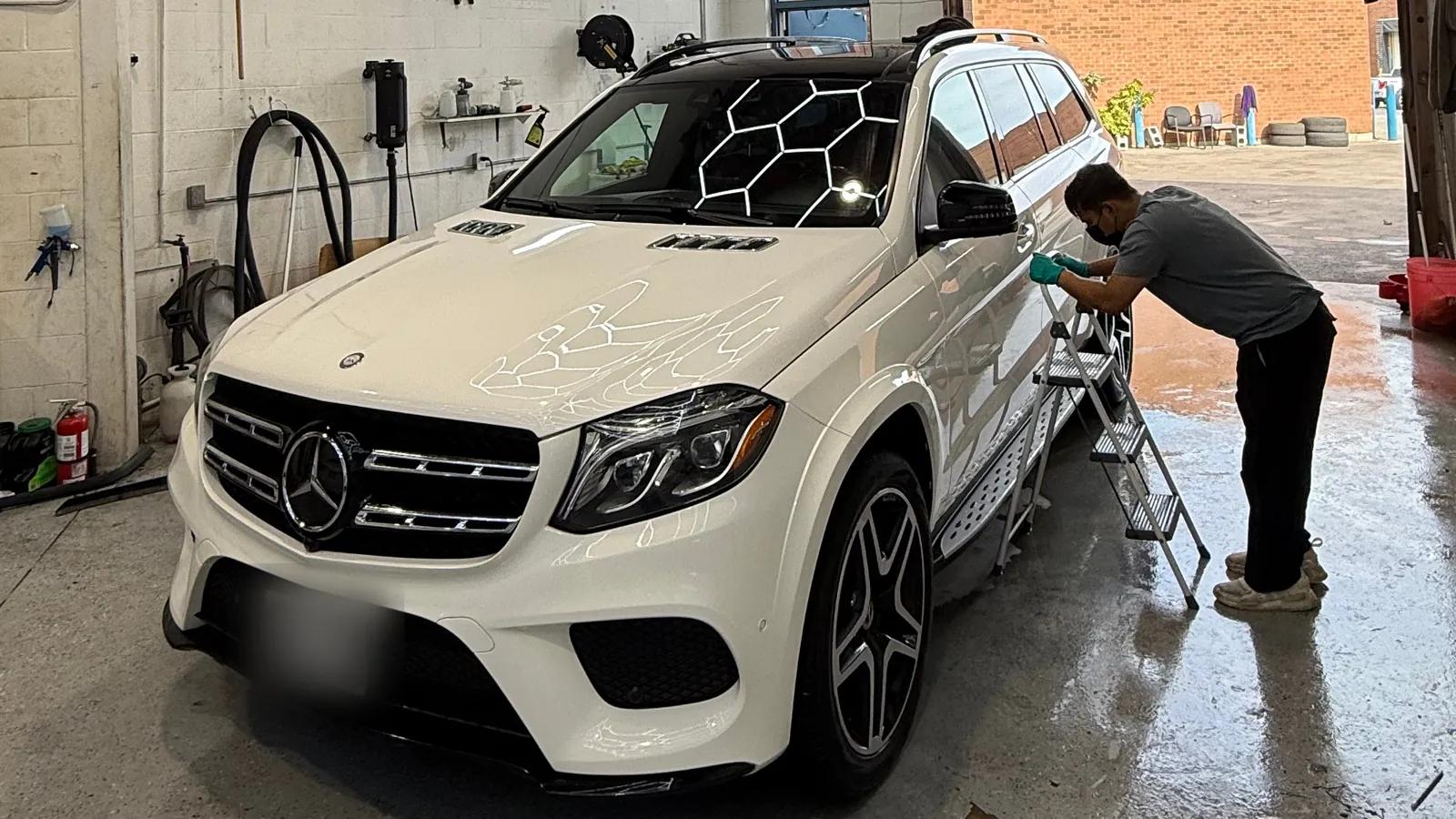
We have photos of the film on a Lexus IS under the studio lights and on a Mercedes GLE outside in daylight, plus the view through the same GLE windshield from the driver's seat, on the windshield section of our tint page. The colour-shift preview on that page lets you drag between before and after to see the effect from outside.
Looking after it
Treat it like any window film. Leave the glass alone for the first few days so the adhesive cures, then clean with a soft cloth and an ammonia-free glass cleaner. Wiper blades do not affect the film because it is on the inside of the glass. If a stone chip cracks the windshield, the film will need replacing along with the glass.
Ready to see it on your car? Add the chameleon windshield to a quote and we will confirm your vehicle's eligibility and a firm price.